Pregnancy Care
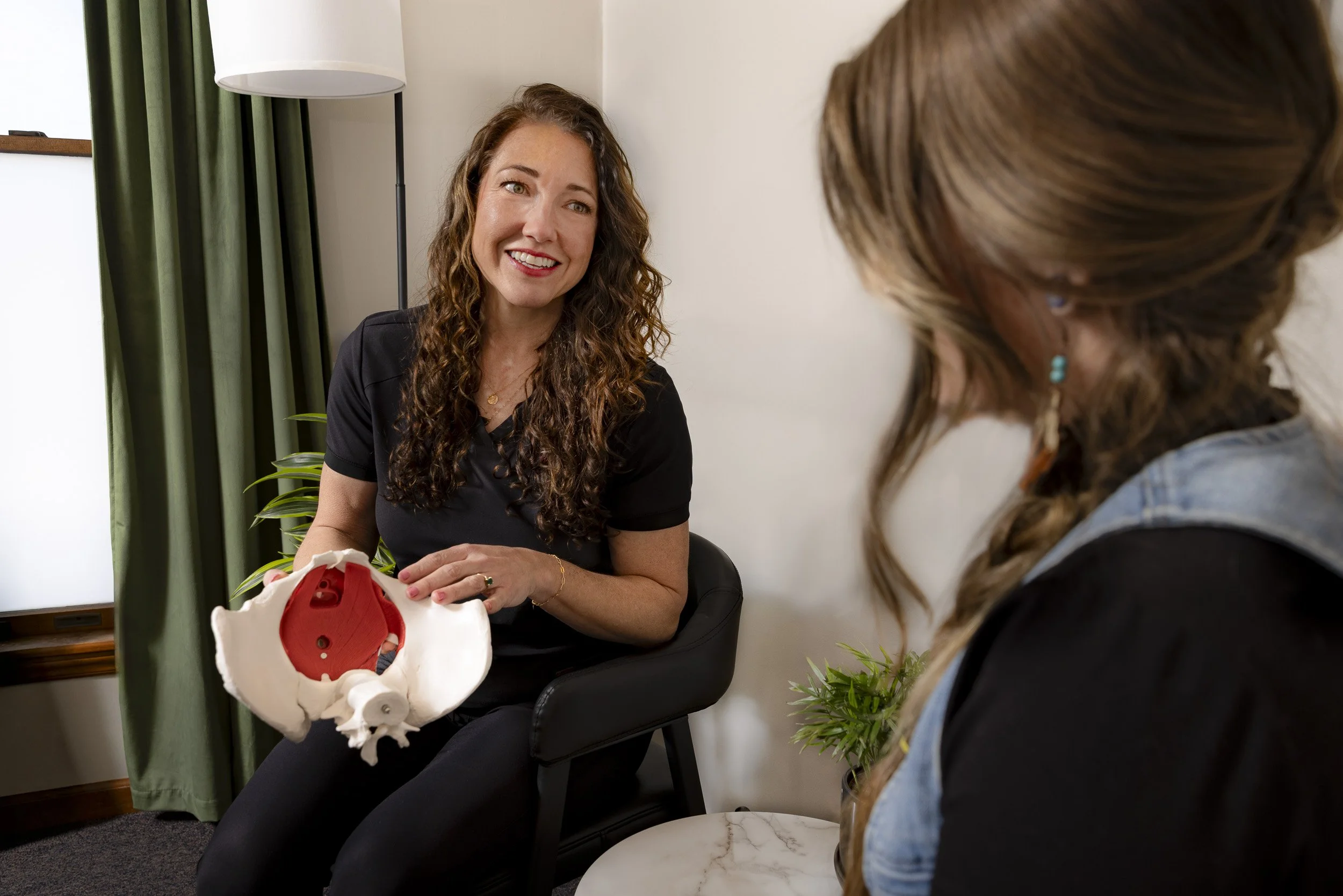
During pregnancy your body experiences major changes to musculature, pelvic bones, ligaments, and posture. Pelvic Floor physical therapy can help manage these changes and prepare your body for childbirth.
Pregnacy Care
Typical physical therapy treatment during pregnancy includes the following:
Manual therapy to improve muscle length/tension
Safe exercises to engage core, pelvic floor, hips and low back
Postural retraining
Strategies to improve movement patterns and body mechanics with daily activities
Education for bowel, bladder, diastasis recti, prolapse and other pregnancy related conditions and strategies to minimize these conditions during and after pregnancy
Birth preparation
Pregnancy-related Conditions
Pelvic pain (vaginal pain, pain with intercourse)
Pubic Symphysis pain
Urinary Incontinence (leakage)
Diastasis Recti (separation of abdominals)
Constipation
Low back pain/hip pain /groin pain
Prolapse/pelvic pressure
How soon can I start physical therapy after giving birth?
You can begin pelvic physical therapy as soon as you feel ready — even within the first few weeks postpartum.
Early visits focus on education, breathing, gentle core connection, posture, scar support (including C-section), and guidance for bowel, bladder, or pain concerns. If a pelvic floor muscle assessment is needed, we typically wait until about 4–6 weeks postpartum and after medical clearance. Internal assessment is not required to begin care.
Early support can help you heal more comfortably and confidently.